Photography is more than just pressing a shutter button. It’s a blend of artistry and technical skill, a means of storytelling and a way to preserve moments that might otherwise fade into memory. Whether you’re a seasoned professional or just picking up a camera for the first time, understanding the fundamentals of photography can elevate your images and deepen your appreciation for this craft.
Understanding the Basics: Light, Composition, and Exposure

“I’m not looking at you, I’m looking at the light that is bouncing off you. Turn the lights off and you are gone.” – Julian Opie.
At its core, photography is about capturing light. The way light interacts with a subject determines mood, depth, and detail. Mastering exposure—how much light enters the camera—requires a solid grasp of the exposure triangle, which consists of:
- Aperture (f-stop): Controls depth of field, affecting how much of the image is in focus.
- Shutter Speed: Determines motion blur or freeze-frame sharpness.
- ISO: Adjusts sensor sensitivity to light, balancing brightness and noise.
Beyond exposure, composition plays a vital role in guiding the viewer’s eye. The rule of thirds, leading lines, framing, and symmetry are just a few compositional techniques that create balanced and visually engaging photos.
The Power of Storytelling Through Photography

“There is no greater agony than bearing an untold story inside you.”
― Maya Angelou
Photo by Steve McCurry
A great photograph isn’t just technically perfect, it tells a story. Whether it’s a war photo capturing human resilience, a wedding moment filled with emotion, or a street shot depicting everyday life, the best images evoke feelings and spark curiosity. As a former photojournalist, I’ve learned that the most powerful images come from capturing authenticity rather than staged perfection.
Choosing the Right Gear

“It is essential to have good tools, but it is also essential that the tools should be used in the right way.” – Wallace D. Wattles
While having a high-end camera can help, the best camera is the one you have with you. Smartphones today are equipped with impressive cameras, making photography accessible to everyone. However, for those looking to level up, investing in a DSLR or mirrorless camera with interchangeable lenses opens up all sorts of creative possibilities.
Lenses matter just as much (if not more) than the camera body. A 50mm prime lens is great for portraits, and low-light situations while a wide-angle lens captures stunning landscapes. Understanding focal lengths, lens speed and sensor sizes can greatly impact the quality of your work.
Post-Processing: Enhancing Without Overdoing It
“In photography there is a reality so subtle that it becomes more real than reality.” – Alfred Stieglitz
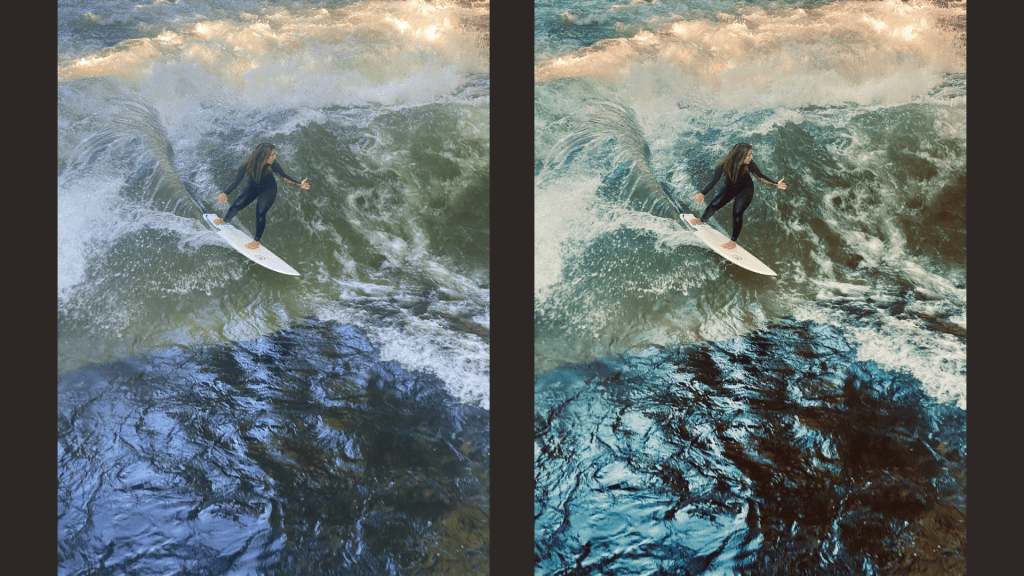
Editing is an essential step in the modern photography process. Tools like Adobe Lightroom and Photoshop allow photographers to fine-tune colors, contrast and exposure. The key is subtlety. Post-processing should enhance, not completely alter, the original image.
Final Thoughts: Keep Shooting, Keep Learning

“Taking pictures is savoring life intensely, every hundredth of a second.” – Marc Riboud
Photography is an evolving journey. The more you shoot, the more you develop your eye for composition, lighting and timing. Challenge yourself with new styles, like portrait, landscape, documentary or macro photography. Study the work of great photographers, experiment with different techniques and most importantly, capture what speaks to you.
What are some of your favorite photography experiences? Share them in the comments below!
 Laura's Portfolio